What is a Scar? The Basis of Scar Removal in Singapore
A scar is the body's natural, fibrous reaction to replace damaged tissue after a deep injury, burn, or severe inflammation. While not medically harmful, scars represent a permanent change in skin structure. Successful Scar Removal in Singapore is therefore categorized as Scar Revision, aiming to significantly flatten, smooth, and blend the scar's appearance.
-
Scars can be flat, raised, sunken, small, or extensive.
-
Treatment is recommended when scars cause cosmetic distress, physical pain, tightness, or restricted mobility.
Why Do Scars Form? The Role of Collagen
Scars form when the skin's dermal layer is compromised. The core reason lies in the production of collagen—the protein responsible for skin strength and elasticity—during the healing phase.
-
Excess Collagen (Raised Scars): When the body produces collagen too aggressively and disorganizedly, raised scars (Keloid and Hypertrophic) develop.
-
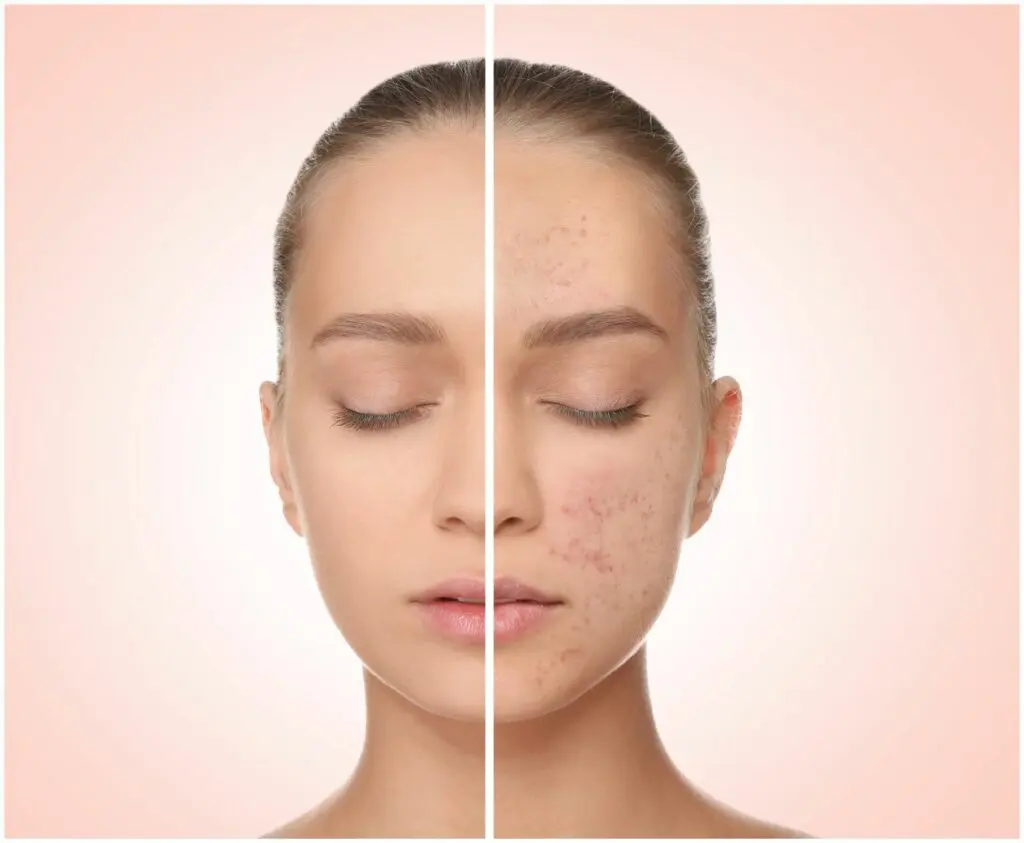
Collagen Loss (Depressed Scars): Severe inflammation, typical of deep acne, can destroy underlying collagen and fat, leading to volume loss and sunken (Atrophic) scars.
Identifying Your Scar: Key Types Requiring Treatment
Correct identification of scar type is paramount, as treatments are highly site and type-specific.
1. Acne Scars: The Atrophic Subtypes
Acne scars are the most common reason for seeking Acne Scar Treatment Singapore. These are Atrophic (sunken) scars caused by the destruction of tissue during inflammation.
-
Ice Pick Scars: Narrow, V-shaped indentations that penetrate deep into the dermis, resembling a small puncture. They are notoriously difficult to treat and often require highly targeted resurfacing.
-
Boxcar Scars: Broad, oval or round depressions with sharp vertical edges. They resemble chickenpox scars and respond well to resurfacing lasers and dermal fillers.
-
Rolling Scars: Wide, shallow depressions that give the skin a wave-like or rolling appearance. These are caused by fibrous bands tethering the skin down to the deeper subcutaneous tissue. They require Subcision for release.
2. Keloid Scars
Keloids are firm, raised scars that aggressively extend beyond the original borders of the wound. They often appear shiny, dome-shaped, and can be itchy or painful. They are more common in areas of high tension and darker skin tones.
3. Hypertrophic Scars
Hypertrophic scars are thick and raised, similar to keloids, but they remain strictly confined to the site of the original injury. They are frequently red, may itch, but typically have a better prognosis than keloids, often responding well to timely injections.
4. Post-Surgical Scars
Marks left after incisions. Early scar management (silicone sheets, steroid injections) in the first few months is critical to prevent the development of raised or wide scars.
|
Type of Scar |
Primary Characteristic |
Treatment Focus |
|
Acne (Atrophic) |
Sunken, pitted, volume loss |
Resurfacing, Volume Restoration, Tether Release |
|
Keloid |
Raised, spreads aggressively |
Inflammation Reduction (Injections), Collagen Inhibition |
|
Hypertrophic |
Raised, stays within wound area |
Flattening (Injections), Texture Improvement |
.webp)
Should I Seek Scar Revision?
We encourage professional consultation for Scar Revision treatment if the scar is a source of distress, pain, or functional limitation. Our priority is to develop a treatment strategy that aligns with your desired cosmetic outcome and lifestyle.
Advanced Scar Removal Treatment Options Available in Singapore
At Shine Dermatology, we utilize a combination of state-of-the-art technologies to target the specific characteristics of your scar.
1. Ablative Fractional CO₂ Laser (SmartXide)
-
Mechanism: This is a gold-standard technique for texture smoothing. It delivers micro-beams of energy to create controlled thermal injuries deep in the dermis, which vaporizes microscopic columns of tissue and forces aggressive new collagen (neocollagenesis) and elastogenesis.
-
Suitable for: Textured scars, especially deep Atrophic Scars (Boxcar, deep Ice Pick).
-
Protocol: 1–3 sessions, 8 weeks apart.
-
Downtime: Requires 5–7 days of active social downtime (redness and scabbing).
2. Microneedling with Radiofrequency (Sylfirm X)
Microneedling is a foundational technique that uses fine needles to create controlled micro-injuries in the skin, initiating a powerful, natural wound-healing cascade that stimulates collagen and elastin production. This is highly effective for improving skin texture and refining scars.
We elevate this treatment through Radiofrequency (RF) Microneedling. The RF energy delivers controlled heat deep into the dermis, maximizing the breakdown of rigid scar tissue and dramatically enhancing collagen restructuring beyond what traditional microneedling can achieve.
At Shine Dermatology, we specifically utilize the Sylfirm X device. Sylfirm X combines precise gold micro-needles with advanced dual-wave (Pulsed Wave and Continuous Wave) RF energy. This unique technology allows us to target scar tissue with unparalleled precision, resulting in superior outcomes and less recovery time compared to conventional devices.
-
Suitable for: Moderate to severe Acne Scars, skin tightening, and overall texture improvement.
-
Protocol: 3–5 sessions, 6–8 weeks apart.
3. Intralesional Steroid Injections (Triamcinolone)
-
Mechanism: Triamcinolone is injected directly into the raised scar tissue. This powerful corticosteroid acts locally to reduce inflammation, decrease vascularity, and inhibit the fibroblasts responsible for producing excessive collagen.
-
Suitable for: Keloid and Hypertrophic Scars (first-line treatment).
-
Protocol: 3–6 injections, administered 4–6 weeks apart until maximum flattening is achieved.
4. Subcision + Fillers: The Key to Deep Atrophic Scars
-
Mechanism: Subcision is a technique that mechanically severs the fibrous bands that tether rolling scars to the underlying fascia. Once the tethering is released, dermal fillers (often Hyaluronic Acid) are immediately injected into the newly created pocket.
-
Suitable for: Rolling and deep Atrophic Scars with visible tethering.
-
Benefit: The filler restores immediate volume and acts as a "stent" to prevent the fibrous bands from re-forming during the crucial healing period.
5. Chemical Peels
-
Mechanism: Controlled application of chemical agents (e.g., TCA, AHA) to induce exfoliation, targeting the outermost layers of the skin.
-
Suitable for: Superficial acne marks (Post-Inflammatory Hyperpigmentation) and mild textural irregularities.
-
Protocol: Requires 3–6 sessions for sustained results.
|
Treatment |
Targets (Scar Type) |
Mechanism |
Recovery |
|
Laser (CO₂) |
Atrophic, Texture |
Ablative Resurfacing, Deep Collagen Induction |
Moderate (5–7 days) |
|
Microneedling (Sylfirm X) |
Moderate Acne Scars, Texture |
RF Collagen Remodeling, Fibrotic Tissue Breakdown |
Minimal (1–3 days) |
|
Intralesional Steroids |
Keloid, Hypertrophic |
Inflammation & Collagen Synthesis Inhibition |
Minimal |
|
Subcision + Fillers |
Rolling, Deep Atrophic (Tethered) |
Mechanical Release & Volume Replacement |
Mild (Bruising/Swelling) |
|
Chemical Peels |
Superficial Marks |
Controlled Exfoliation & Renewal |
Minimal |
Summary & Next Steps: Start Your Scar Revision Journey
With today’s advanced, personalized Scar Removal in Singapore options, significantly improving the appearance and feel of a scar is more achievable than ever. Our multi-modal approach ensures that we are treating the specific pathology of your scar, not just the surface.
Take Control of Your Skin Today: Personalized Treatment Awaits
Don't wait to address your scars. The most effective treatment starts with an accurate diagnosis.
Ready to start your scar revision journey? CLICK HERE TO BOOK YOUR PERSONALIZED SCAR CONSULTATION WITH SHINE
For comprehensive information on our practitioners, please view our Dermatology Services.
Frequently Asked Questions about Scar Treatment
Q: What are Scars?
A: A scar is the body’s natural way of healing damaged skin by laying down fibrous tissue (collagen) over a wound site.
Q: What Causes Scars?
A: Scars are caused by any deep injury or severe inflammation (like acne) where the body’s repair process results in an excess (raised scars) or deficiency (sunken scars) of collagen.
Q: What are the Types of Scars?
A: The main types are Atrophic (depressed/sunken, e.g., acne scars), Hypertrophic (raised, contained to wound area), and Keloid (raised, spreading beyond the wound area).
Q: How to Get Rid of Scars?
A: While no treatment can promise 100% eradication, modern dermatological treatments like lasers, microneedling, subcision, and injections can significantly improve their texture, color, and depth.
Q: Should I Remove Scars?
A: You should consider scar removal treatment if a scar is large, aesthetically bothersome, or causes functional issues like pain, itching, or restricted movement.
Q: What are the Scar Removal Treatment Options in Singapore?
A: Options include Ablative Fractional CO₂ Laser, Microneedling (Sylfirm X), Chemical Peels, Intralesional Steroid Injections, and Subcision with Dermal Fillers.
Q: Can Scars be Removed Permanently?
A: Once a scar forms, it is a permanent change to the skin structure. However, treatments aim for "scar revision," which means the scar is significantly improved, flattened, and blended into the surrounding skin, making it far less noticeable.
Q: How Much is Scar Removal Treatment in Singapore?
A: The cost varies significantly based on the scar type, severity, size of the area, and the chosen treatment modality (e.g., laser vs. injections). A personalized consultation is required to provide an accurate quote.
Q: Is Scar Removal Painful?
A: Most treatments involve minimal discomfort. Topical numbing cream is always applied before procedures like laser or microneedling to ensure the process is well-tolerated. For injections or subcision, local anesthesia may be used.
If you are concerned about the appearance of a scar—whether from acne, surgery, or injury—speak with our dermatologists today. We offer safe and effective scar treatment solutions right here in Singapore.
Find out more about our scar treatments and acne scar treatments here:

 9, Scotts Road, #11-07,